PREVIEW | SLAIN 2: THE BEAST WITHIN | SWORD, CLAWS, DARKNESS
Moonlight falls across a dying kingdom while something less human begins to move beneath the armour of its final defender. Prince Akran carries Bathoryn, the sentient blade that has survived through different wielders and generations of war, but steel is only half of what he brings into battle. As the last of the Wolf Knights, Akran can surrender to the power of the full moon and transform into a feral werewolf, replacing controlled swordplay with claws, speed and raw aggression. Slain 2: The Beast Within continues Steel Mantis’ gothic action series with a new protagonist, three large hand-crafted quests and a combat system built around the contrast between precision and savagery. Each journey is designed to push Akran through cursed seas, ruined strongholds and darker places where Bathoryn alone may no longer be enough. The sequel’s real promise lies in how naturally it can connect disciplined counter-based combat with the uncontrolled violence of the beast, making both forms feel essential rather than decorative. The game is confirmed for PC through Steam, where a playable demo is already available, while its full release remains scheduled broadly for 2026. Steel Mantis is developing the sequel, with Silver Lining Interactive serving as publisher.
bathoryn finds another wielder
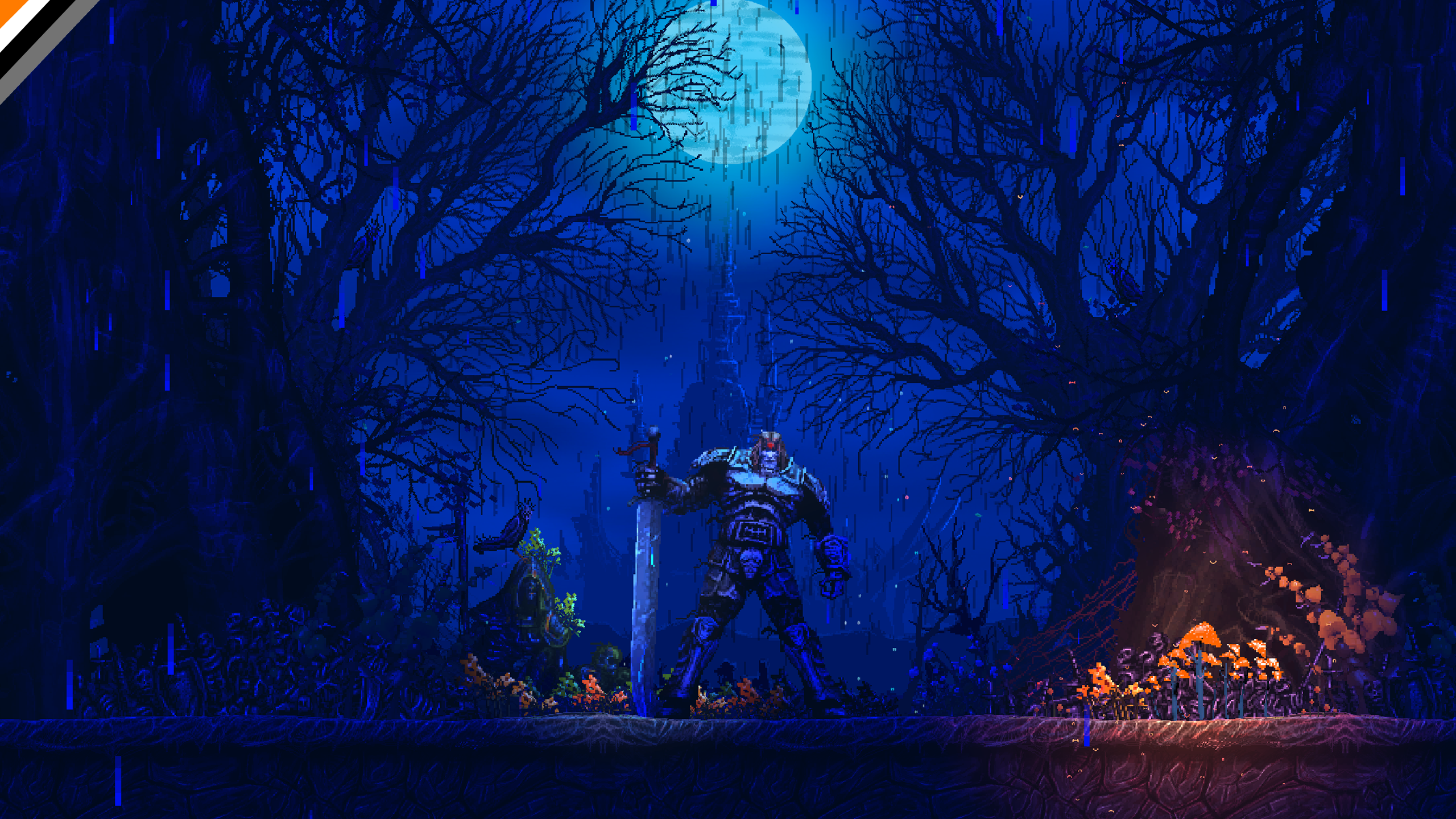
Bathoryn remains the connection between Slain 2 and the original Slain: Back from Hell. The living sword has passed through multiple wielders while the conflict against Lord Vroll’s demonic forces has expanded beyond a single land and across a much larger dark-fantasy mythology. This time the weapon belongs to Prince Akran, described as the last surviving member of the Wolf Knights and the final figure capable of reclaiming a kingdom already close to collapse. A new protagonist gives the sequel room to move beyond simple repetition. Akran is not merely another warrior holding the same sword. His connection to the Wolf Knights introduces a second source of power that exists independently from Bathoryn, creating tension between the discipline demanded by the blade and the violence released through transformation. That contrast could become the sequel’s defining idea if both sides of the character remain mechanically important throughout the journey. The story still appears direct in structure. Lord Vroll’s armies threaten the land, three sacred relics must be recovered and Akran is the warrior sent into places few others could survive. Slain has never depended on long conversations or complicated political intrigue to carry its identity. Its narrative works best as the framework surrounding a violent pilgrimage through ruined castles, supernatural landscapes and increasingly dangerous enemies. What matters is whether Slain 2 can give the journey enough momentum and visual storytelling to make the kingdom feel like more than a sequence of attractive levels. The original established a strong heavy-metal fantasy mood, but its sequel now has an opportunity to build clearer mythology around Bathoryn, the Wolf Knights and the relics Akran must claim.
steel and savagery must feel different
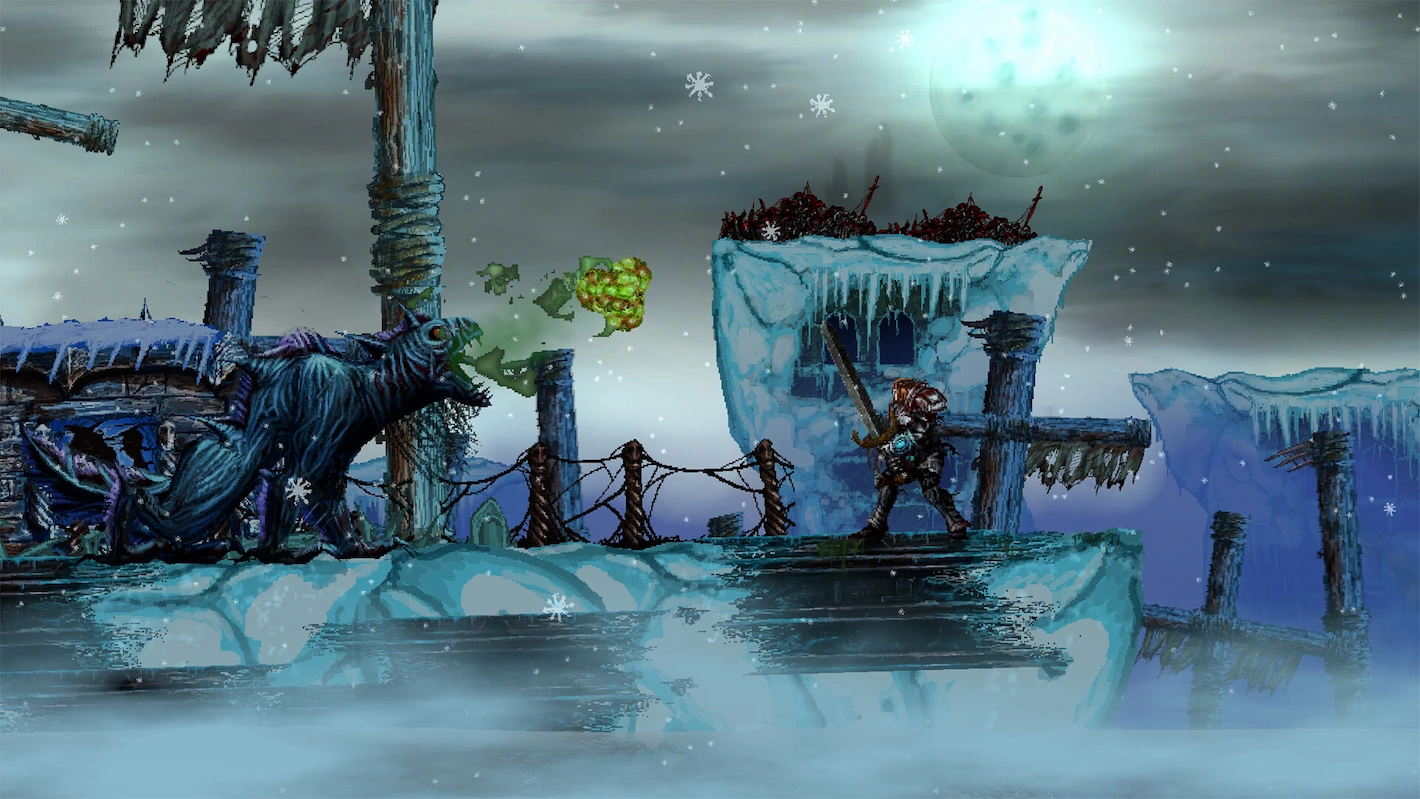
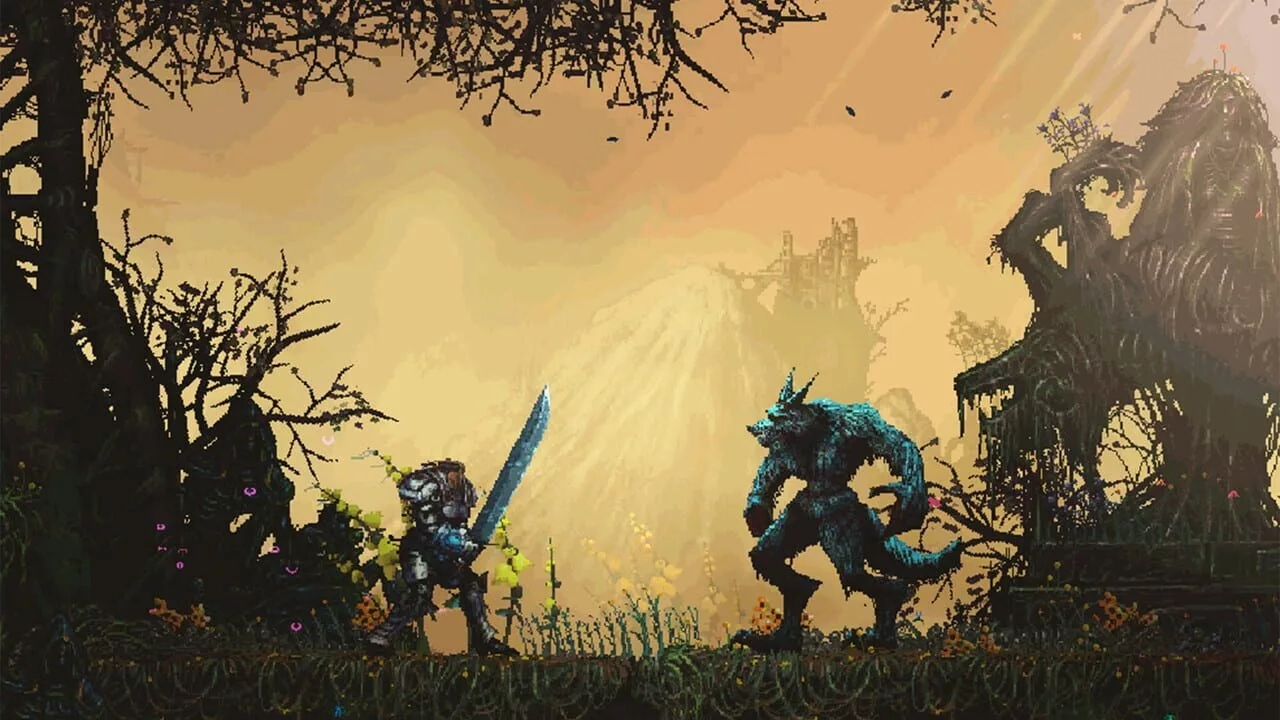
The official description presents combat as a mixture of brutal melee strikes, precision-based attacks and counters. Bathoryn grants elemental powers associated with fire, ice and other destructive effects, while Akran’s transformed state replaces sword techniques with claws, teeth and overwhelming physical force. That sounds like more than a cosmetic change, but the finished game must prove it. The human form should reward timing, distance and deliberate use of elemental attacks. A sword counter needs to feel earned through observation rather than activated through a generous universal window. Fire and ice should provide tactical value against particular enemies or situations instead of functioning as different colours applied to the same damage. The beast form should create a genuinely different rhythm. A werewolf transformation naturally suggests faster movement, wider attacks and stronger pressure against groups, but greater power should come with a change in control or risk. Akran may become better at breaking enemy lines while losing some of the defensive precision available through Bathoryn. The transformation becomes interesting only when the player chooses it for a reason rather than activating it whenever a meter becomes full. Switching between those approaches could give encounters more shape. A heavily protected opponent may require careful sword strikes and elemental preparation, while a crowded arena may encourage the player to release the beast before being surrounded. Bosses could force Akran to alternate between the two, using Bathoryn to read patterns before transforming during brief offensive openings. The danger is imbalance. Should the werewolf become overwhelmingly effective, the swordplay will feel like a temporary restriction between transformations. Should the beast be too limited, the sequel’s largest new mechanic will become an occasional spectacle rather than a meaningful part of combat. Steel Mantis must make both forms satisfying without allowing either to erase the other.
three quests through a dying world
Slain 2 is structured around three hand-crafted quests, each built around different landscapes, lore and enemy groups. Akran will cross ghostly seas, attack haunted castles and descend into the abyss while searching for three sacred relics known as The Eye, The Heart and The Dagger. Three quests may initially sound like a limited amount of content, but the description does not establish their total size or internal structure. Each could function as a substantial chapter divided across multiple areas, encounters and boss battles. Until the developers provide a complete duration estimate, it would be premature to treat the quest count as evidence that the game will be short. The structure may work in the sequel’s favour. A smaller number of large, deliberately built journeys can produce stronger pacing than dozens of interchangeable stages. Each quest has the opportunity to establish its own architecture, enemy behaviour and environmental hazards while contributing directly to the hunt for one relic. Ghostly seas could use unstable platforms, ruined vessels and threats emerging from beneath the water. Haunted castles can support vertical interiors, narrow passages and defensive enemies controlling confined spaces. A descent into the abyss should feel progressively less connected to the physical rules of the kingdom above it. These possibilities remain interpretation rather than confirmed mechanics, but the announced environments already suggest enough visual range to prevent the adventure from remaining inside one continuous collection of stone corridors. The relics must also matter beyond the story. The Eye, Heart and Dagger could unlock abilities, alter Bathoryn or change Akran’s transformation, although no such progression has yet been confirmed. Even without mechanical rewards, each object should represent a meaningful stage in the journey and reveal something about the kingdom’s decline.
pixel art built like a metal album
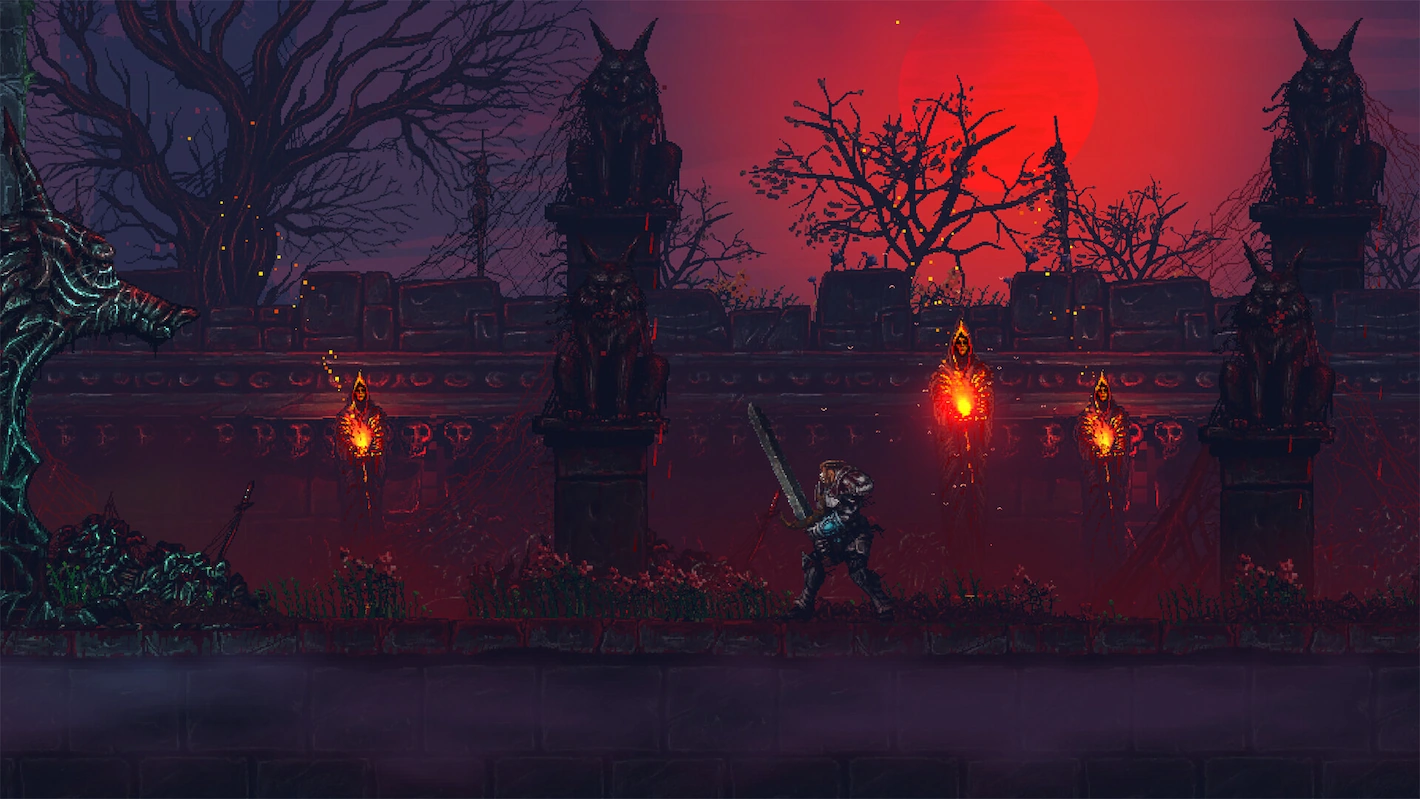
The Slain identity remains immediately recognizable. Detailed pixel art, ruined gothic structures, violent animation and exaggerated dark-fantasy imagery make the sequel resemble an interactive heavy-metal album cover. Steam categorizes it under Action, Adventure and RPG, while prominent user tags include Hack and Slash, 2D Platformer, Gothic, Side Scroller, Dark Fantasy and Pixel Graphics. That visual direction is not a secondary feature. It is one of the principal reasons the series attracts attention. Towers, forests, creatures and battle effects are designed with enough detail to make almost every frame look deliberately composed. The world does not attempt realism; it commits to an exaggerated combination of medieval ruin, demonic horror and metallic spectacle. Slain 2 appears interested in expanding that style rather than modernizing it into something smoother and less distinctive. Pixel animation gives every sword impact and creature movement a hard-edged quality that suits the combat. Blood, elemental effects and transformation animations can look dramatic without separating themselves from the rest of the presentation. Readability will still be important. Complex backgrounds and heavy effects can make attacks, projectiles and platform edges difficult to identify, particularly during faster encounters. The sequel’s art succeeds only when its detail supports play rather than hiding it. Enemy silhouettes need to remain clear, dangerous attacks must be visible before impact and environmental hazards should not disappear into decoration. The most effective stages will use visual design to communicate the world as well as its mood. A haunted castle should show who occupied it, how it fell and what now controls it. A ghost ship should feel like the remains of a specific disaster rather than a generic collection of bones and broken wood. Slain 2 already possesses the aesthetic vocabulary; the challenge is using it to build places with history.
the original’s lessons still matter
Slain: Back from Hell became memorable through art direction, music and atmosphere, but its combat and level design could be unforgiving in ways that did not always feel precise. Some encounters relied heavily on enemy positioning, repeated hazards or rigid movement, turning difficulty into trial and error rather than mastery. The sequel’s emphasis on precision attacks and counters appears designed to make combat more readable and intentional. That is the correct direction. Slain should remain demanding, but the player needs to understand why an attack failed and what could be done differently on the next attempt. Responsiveness will decide whether the game’s aggression feels empowering. Heavy strikes can retain weight without creating noticeable input delay. Akran’s movement can be deliberate without making corrections awkward. Counters can remain difficult without becoming dependent on unclear animations. Checkpoint placement will matter for the same reason. Repeating a demanding encounter is reasonable when the player is immediately returned to the relevant challenge. Replaying a long section of familiar platforming before every attempt at one boss does not make the boss more difficult; it simply increases the cost of learning. The werewolf form could help the sequel avoid some of the original’s rigidity, but it should not become an excuse to overwhelm the screen with enemies. More offensive power often encourages developers to increase enemy numbers, producing battles that are larger without being better designed. Slain 2 needs combinations of opponents whose abilities create meaningful pressure, not simply crowds built to be destroyed by one transformation.
elemental power and character progression
Bathoryn’s elemental abilities are confirmed, including fire and ice, but the full progression structure remains unclear. Steam lists RPG among the official genres, although the public description does not yet explain whether players will improve statistics, unlock skill trees, find equipment or customize Akran through different builds. The safest approach would be focused progression rather than unnecessary complexity. Slain 2 does not need an inventory filled with minor numerical upgrades. A smaller set of meaningful abilities could preserve its direct action identity while allowing players to develop a preferred relationship between sword and beast. Elemental powers can create depth through function. Fire may apply continuing pressure, ice may slow or control enemies and another power could break armour or interrupt specific attacks. Those possibilities have not been officially detailed, but distinct tactical roles would be more valuable than straightforward damage increases. Transformation progression could also change how the beast is used. One path might improve movement and rapid attacks, while another strengthens durability or crowd control. Again, no formal skill system has been confirmed, so this remains a possible direction rather than a promised feature. What can be said with confidence is that Slain 2 presents Bathoryn’s elements and Akran’s werewolf power as the two central pillars of combat. The final design must connect them through progression, encounter design or resource management strongly enough that neither feels attached to the game as a separate gimmick.
a demo before the full hunt
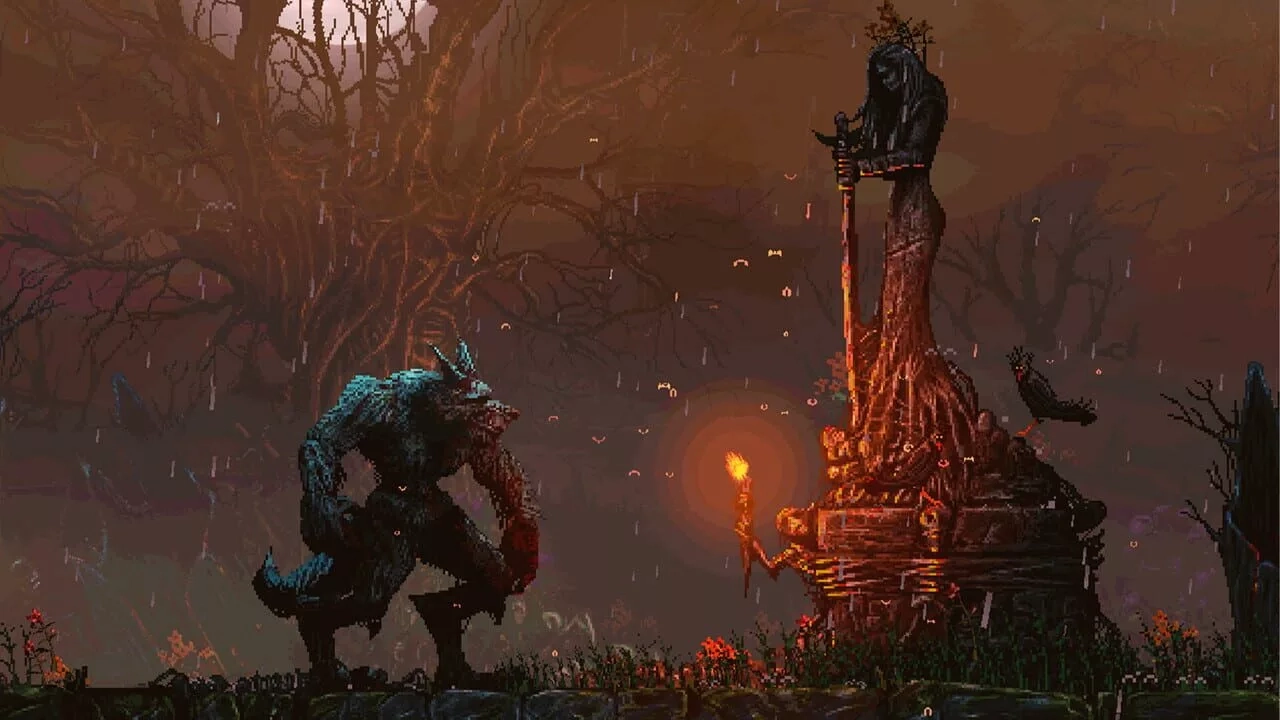
A playable PC demo is available directly through the Steam page, allowing players to experience the combat and presentation before the complete release. The full game is not yet available and remains listed only for 2026, without an exact date. The demo is particularly useful for this kind of project because responsiveness cannot be communicated completely through trailers. Players can directly judge movement weight, attack timing, counter windows and whether the visual effects remain readable during active combat. It also provides Steel Mantis with an opportunity to collect feedback before release. Small adjustments to input buffering, enemy telegraphs, checkpoints or hit reactions can significantly improve an action platformer without changing its overall design. The published requirements are modest. Steam currently lists Windows 10, a 2.4 GHz quad-core processor, 2 GB of RAM, a GTX 970-class graphics card and 2 GB of storage as the minimum configuration. The recommended specification increases memory to 4 GB and graphics to a GTX 1070-class card. These requirements can still change before release.
what slain 2 must prove
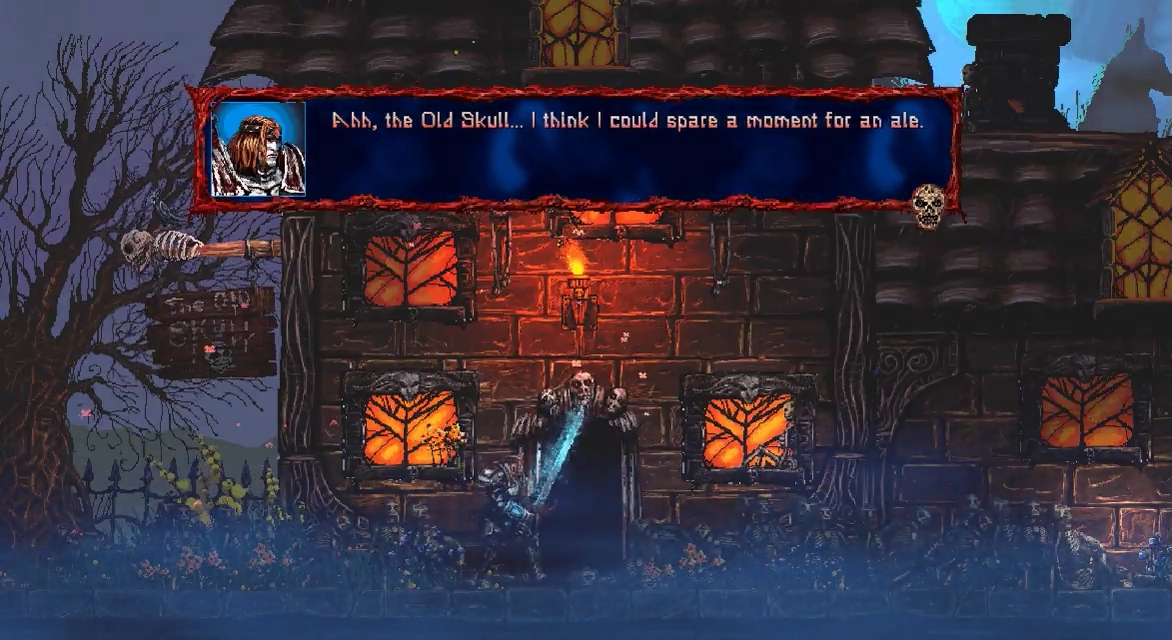
The sequel already possesses a strong visual identity and an easy-to-understand central concept. A sentient elemental sword and a werewolf transformation share the same warrior, creating two forms of violence inside one gothic action platformer. What remains uncertain is how much depth exists beneath that concept. Human and beast combat need separate tactical purposes. The three quests must be large and varied enough to support a complete journey. Enemy design must evolve alongside Akran’s abilities, and bosses need to challenge both forms rather than functioning as large targets surrounded by dramatic animation. The story should give Prince Akran an identity beyond being the latest person selected to carry Bathoryn. His status as the last Wolf Knight, his relationship with the blade and the cost of releasing the beast all provide opportunities for character development without requiring long interruptions between stages. Most importantly, difficulty must come from demanding but understandable combat. Slain 2 should punish hesitation, poor timing and careless positioning. It should not punish the player because a projectile disappeared against the background or because an enemy attack extended beyond its visible animation. The sequel does not need to become easier than its predecessor. It needs to become more precise.