

PREVIEW | SHADOW OF THE ROAD | TRADITION MEETS THE MACHINE
A weathered temple stands beneath the shadow of an industrial machine that should not exist in nineteenth-century Japan. Samurai move through villages shaped by tradition, while mechanical soldiers, foreign technology and yōkai turn a historical civil war into something far less predictable. Shadow of the Road uses this collision as more than decoration. Its reimagined version of 1868 places the Tokugawa Shōgunate against Emperor Mutsuhito and the technologically dominant East Nippon Company, creating a conflict where political change, supernatural forces and enforced modernisation are advancing at the same time. Developed by Another Angle Games and published by Owlcat Games, the project is a story-driven tactical RPG built around a travelling party, turn-based battles and decisions capable of changing relationships and character paths. The free demo already provides a focused look at its opening story and combat systems, while the full PC release is currently scheduled for 2026.
a civil war where history refuses to remain historical
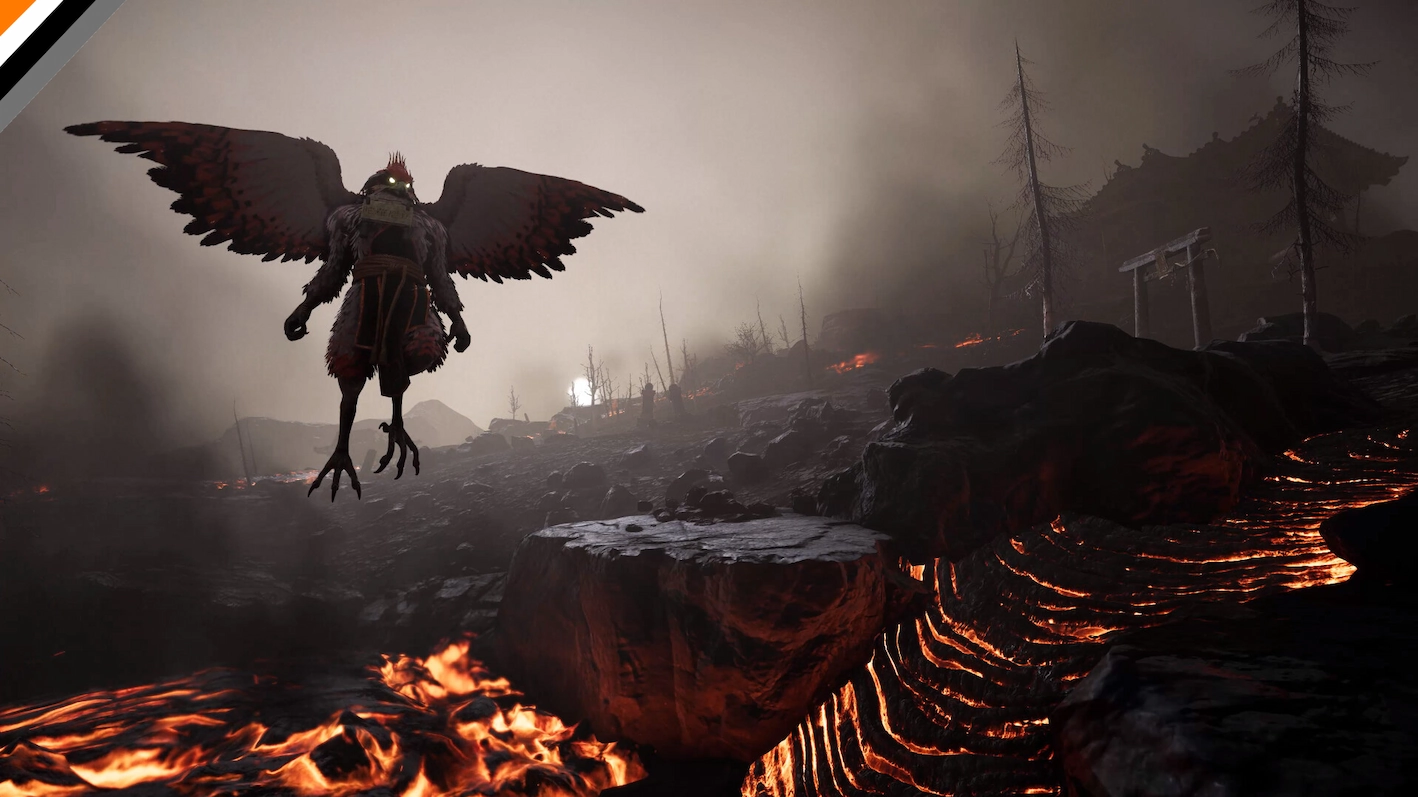
The historical foundation gives the game immediate weight. Japan is standing between the final days of the Tokugawa Shōgunate and an imperial future supported by foreign industrial power, but Shadow of the Road does not attempt to reproduce that transition as a conventional period drama. The East Nippon Company introduces advanced machinery into the conflict, while magic and creatures from Japanese mythology emerge around a society already being pulled apart by war. Ancient shrines, rural estates and traditional settlements now exist beside steam-powered weapons and mechanical constructions, creating a landscape where progress does not arrive gradually or peacefully. The official material describes enforced modernisation as one of the central themes, and that distinction matters. Technology is not automatically presented as liberation, just as tradition is not automatically presented as moral purity. Both sides are capable of using people, loyalty and fear in pursuit of a future they claim is necessary. That foundation gives Another Angle Games room to examine more than a simple conflict between old weapons and new machines. A society changing this quickly should affect every village, family and companion encountered along the road. Some characters may view imperial technology as the only way Japan can survive against foreign powers, while others may see the East Nippon Company as an occupying force hiding exploitation behind the language of progress. The Shōgunate can represent continuity and independence without becoming an uncomplicated heroic faction. Its institutions, military authority and resistance to change should carry their own consequences. Shadow of the Road will be strongest when those tensions appear inside ordinary conversations and personal decisions rather than remaining background information attached to large battles.

a party connected by duty rather than convenience
The journey begins with Satoru and Akira, two rōnin recruited by the Shōgun’s spymaster to protect Toshiro, a mysterious boy unable to fully control his power. The demo follows them through a political confrontation at the Ryokan Yasumi and later toward the Sugiyama estate, where Ishida, Asuke and Toshiro become part of the developing group. The official description makes it clear that these characters are not designed as interchangeable combat units gathered around a single player-created hero. They are companions to one another, carrying their own histories, fears, loyalties and unresolved relationships, while the player guides the party as a whole. Choices can strengthen bonds, destroy friendships or redirect individual character paths, giving the narrative system a chance to influence more than the final ending.
That approach fits the setting better than a conventional heroic party. Satoru and Akira are connected through previous obligations, Ishida presents himself as the group’s physical protector, and Asuke combines maternal loyalty with manipulation and control over the flow of battle. Toshiro’s unstable abilities appear capable of turning the party’s protective mission into something much larger than an escort assignment. These personalities should create disagreement over which faction deserves support, how much violence is justified and whether the group’s immediate survival matters more than the future of the country. The most valuable choices would not divide cleanly into honourable and cruel responses. Protecting one companion may damage the trust of another, while supporting technological progress in one region could strengthen the same power responsible for oppression elsewhere. Personal relationships are also expected to influence combat, creating an opportunity for narrative and tactical systems to support one another. A character who loses confidence in the group should not necessarily perform identically to someone fighting beside trusted companions, although those effects must remain understandable and avoid punishing players through hidden calculations. The party needs to feel emotionally connected without turning every disagreement into a numerical penalty. Shadow of the Road can distinguish itself by making relationships important because they change available decisions, abilities and loyalties, not because the player is forced to constantly maintain approval meters.

turn-based combat where time remains in motion
Combat uses a dynamic timeline rather than a rigid structure in which the entire party acts before the enemy receives a turn. Initiative determines each character’s position on the visible timeline, while abilities, damage and battlefield events can move combatants forward or push them backwards. Some actions happen immediately, while heavier attacks require preparation and resolve later. This gives the player an opportunity to interrupt a dangerous enemy, reposition a threatened companion or manipulate the timeline before an attack is completed. Asuke specialises in this kind of interference, shifting allies and enemies through the turn order rather than relying on direct damage. The system is promising because it makes time another tactical resource. A powerful attack may become less attractive when its long preparation allows an enemy to move out of range or strike first. A weaker ability can become decisive if it delays the most dangerous opponent long enough for another character to finish a larger action. The timeline also helps battles remain readable because the player can see upcoming turns and plan around them instead of guessing when an enemy will act. Good tactical combat depends on information, and Shadow of the Road appears willing to show the player enough of its internal order to make careful planning possible. Positioning carries similar importance. The developers have explained that ranged weapons use separate damage zones, meaning distance affects more than the ability to reach a target. An archer may perform differently at ideal, reduced or ineffective ranges, while withdrawing from nearby melee fighters can trigger additional danger. The combination of distance, cover, delayed actions and timeline manipulation should prevent encounters from becoming static exchanges of damage. A character’s value depends on where they stand, when they act and how their ability changes the options available to the rest of the party. The demo contains three standard battles and one boss encounter, enough to introduce these ideas without proving how well they will survive across a full campaign. The larger game will need enemies capable of forcing new tactics rather than simply increasing health and damage. Mechanical soldiers should pressure the group differently from yōkai, human swordsmen or supernatural creatures. Bosses should interact with the timeline, terrain and party relationships rather than becoming large targets surrounded by ordinary units. The system already has a strong foundation, but its long-term quality will depend on encounter design more than the number of abilities attached to each character.

myth and machinery require visual discipline
The mixture of samurai, steampunk machinery, political history and supernatural mythology could easily become too crowded. Shadow of the Road currently avoids the worst version of that problem by grounding its locations in recognisable architecture, clothing and social structures before introducing the impossible elements. Machines appear intrusive because the world around them still feels old, while yōkai carry greater presence when they emerge from environments that have not already been overwhelmed by constant fantasy spectacle. The contrast should remain sharp. A mechanical warrior beside an ancient temple is more powerful than an entire screen filled with glowing technology, magic and oversized effects. The same restraint should guide the story. Japanese mythology must function as part of the world rather than a collection of creatures placed between political scenes. Yōkai can reflect local fears, spiritual beliefs and the consequences of disrupting places that existed long before the current war. Technology should receive the same treatment. The East Nippon Company’s machines need to reveal something about its ideology, resources and willingness to reshape the country through force. When supernatural and mechanical enemies become more than visual categories, the conflict between them can strengthen the game’s themes instead of merely expanding its enemy roster. Shadow of the Road also needs to preserve physical weight. Samurai attacks should feel deliberate, armour should influence movement, and large machines should not rotate or reposition like ordinary infantry. The game does not require simulation-level realism, but its combat animations and sound design should communicate the difference between steel, flesh, wood and machinery. Historical atmosphere will disappear quickly if every attack produces the same bright effect or if characters move without responding to the weapons and equipment they carry.
the demo creates confidence without answering every question
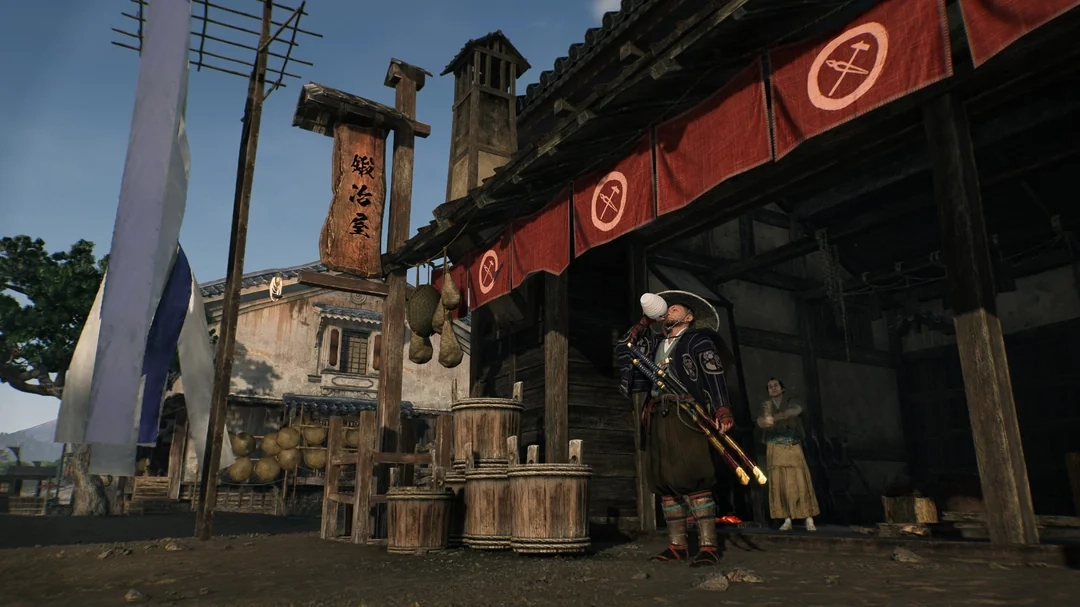
The public demo was released on July 15, 2025 and currently holds a Very Positive Steam rating, with approximately 82 percent of its user reviews marked positive. It introduces the central characters, early narrative conflict and core combat systems through a tea house, a manor, three fights and one boss. Another Angle Games described this slice as feature complete, although the full game will naturally contain broader systems, additional companions and later chapters not represented in the opening material.That reception is encouraging, but a successful opening does not guarantee that the complete RPG can sustain its ambition. The larger questions concern narrative branching, campaign pacing, enemy variety, character progression and the consequences of player decisions. A meaningful choice system needs delayed results that appear hours later, not only immediate dialogue reactions. Party development needs enough flexibility to support different tactical approaches without weakening the identity of established characters. The main conflict must also remain understandable once politics, personal relationships, yōkai and advanced technology begin competing for attention. Another Angle Games is a small team working on a project with the scope normally associated with a much larger production. That creates risk, but Owlcat’s involvement as publisher is a valuable match. Owlcat selected Shadow of the Road while expanding into publishing narrative-focused games, describing its combination of samurai, honour, allegiance and deep tactical combat as the reason the project fit its direction. Publisher support cannot solve every production problem, but experience with complex role-playing games should help the developer protect the systems and narrative depth that make the project interesting.


