LORDS OF THE FALLEN II | MORE TIME FOR A DEADLIER SEQUEL
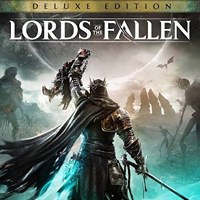
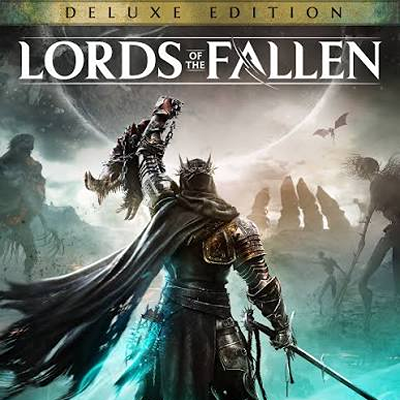
A delayed journey into darkness may be preferable to another launch spent fighting technical problems instead of monsters. CI Games and Hexworks have moved Lords of the Fallen II from its previously announced autumn 2026 window into the first quarter of 2027, giving the development team several additional months to integrate changes, continue iteration and polish the final experience. The decision was informed partly by feedback from an internal group of experienced Soulslike players, which identified areas where the sequel could be refined and strengthened before release. CI Games also openly acknowledged the commercial advantage of leaving a highly competitive holiday period, allowing the game to avoid being buried beneath some of the industry’s largest releases. For a sequel expected to improve on both the technical condition and mechanical consistency of its predecessor, that extra time may prove more valuable than preserving the original calendar. No exact launch date has been announced, but the PC version remains confirmed for both Steam and the Epic Games Store, while the new window gives Hexworks a clearer opportunity to turn ambition into a more stable and complete launch.

more time for the lessons of 2023
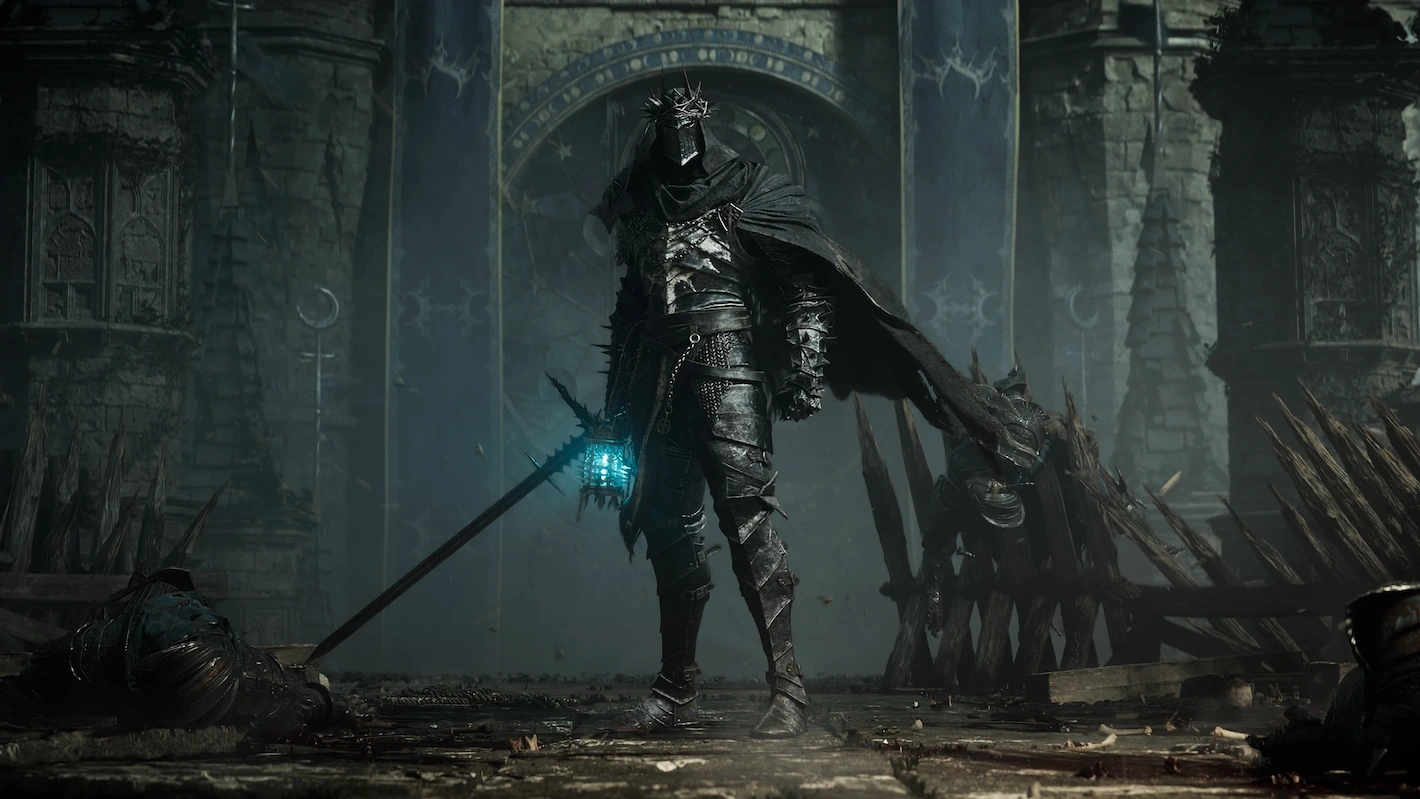
The additional development period carries particular importance for this series. Lords of the Fallen from 2023 introduced one of the more interesting Soulslike worlds outside FromSoftware’s catalogue, with Axiom and Umbral occupying parallel versions of the same spaces. Its lantern allowed players to look into the realm of the dead, reveal hidden paths and cross temporarily into a more hostile reality. The concept was strong, but the original launch was also damaged by performance problems, unstable cooperative play, balance concerns and systems that needed extensive post-release revision. CI Games acknowledges that the release did not meet every player’s expectations and says more than seventy updates were subsequently used to improve stability, performance, combat, movement, difficulty and quality-of-life features. Lords of the Fallen II is therefore being developed by a team that has already received years of direct evidence about what worked and what did not. The publisher says community feedback has influenced the sequel from its foundation, while the newly announced delay indicates that this information is still producing meaningful changes rather than being used only as promotional language. The internal Gameplay Feedback Team reportedly consists of experienced Soulslike players examining the game alongside the developers, and CI Games believes their input has revealed opportunities requiring additional implementation and testing. That does not automatically guarantee a technically clean release, but it makes the delay easier to defend. A Soulslike depends on precise response, readable enemy behaviour, consistent hit detection, reliable performance and a difficulty curve that punishes mistakes rather than technical uncertainty. Additional content means little when frame-time spikes, unstable networking or inconsistent controls interfere with the basic rhythm of combat. For Lords of the Fallen II, polish cannot be treated as the final decorative stage of production. It is part of the combat system itself.
axiom and umbral return
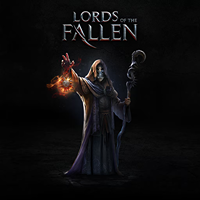
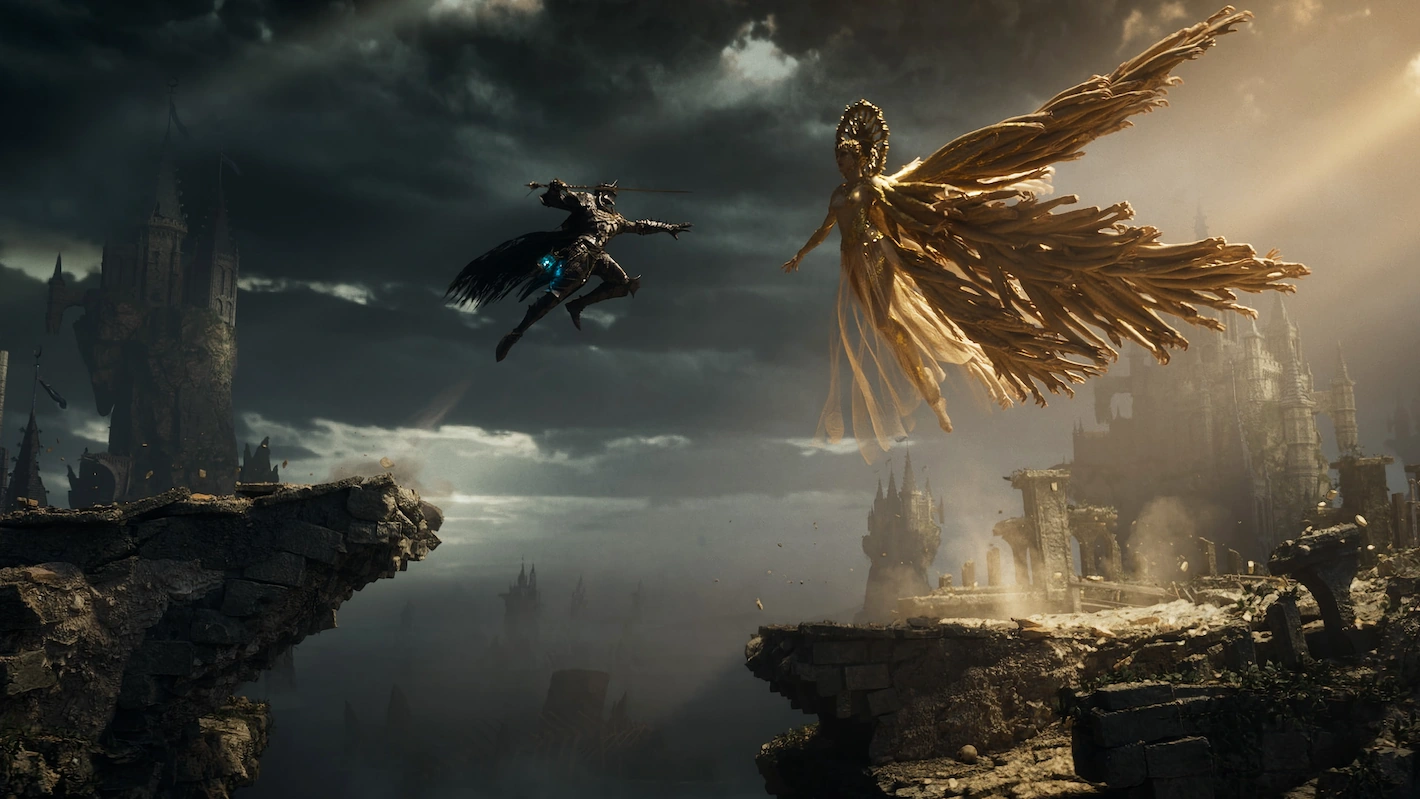
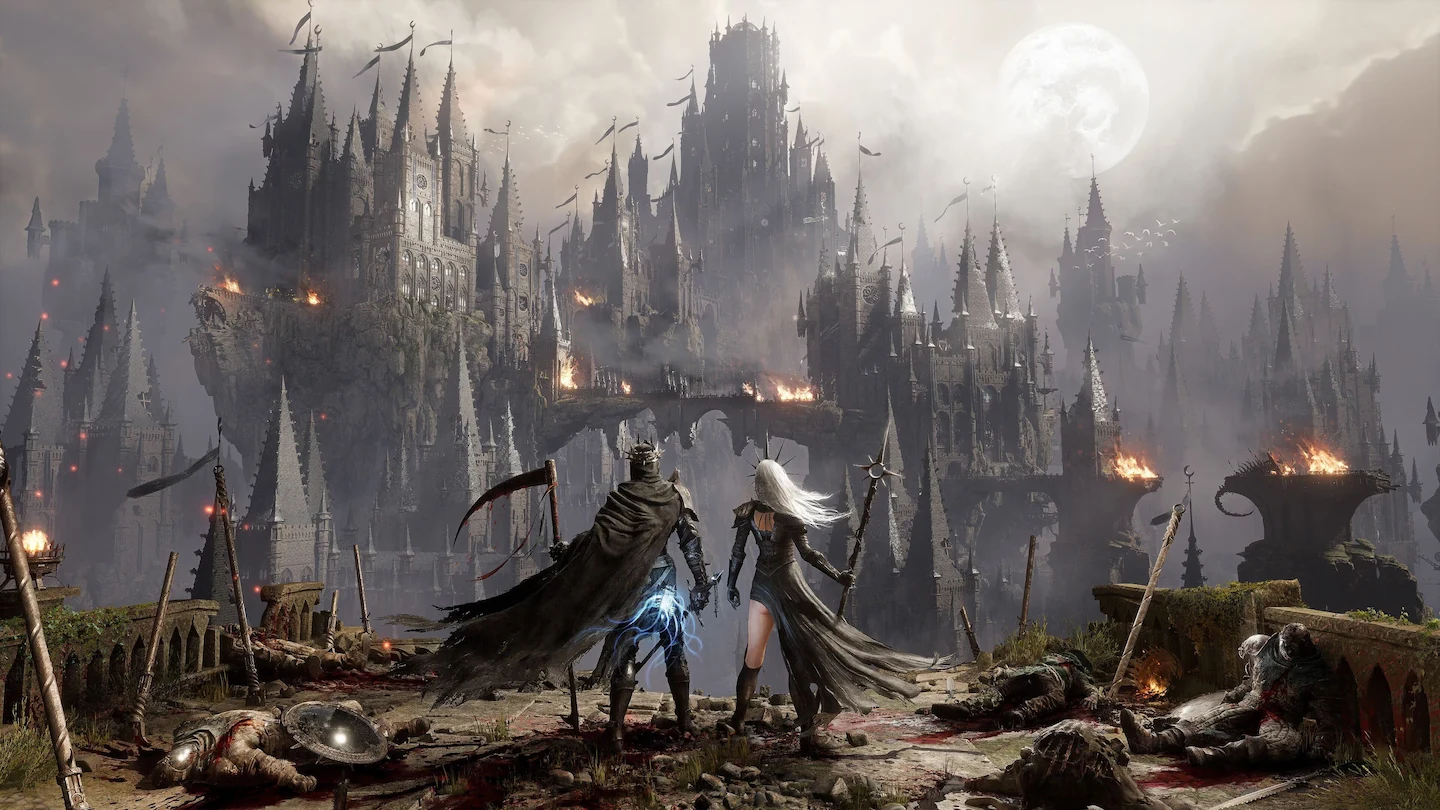
The standalone sequel takes place approximately a millennium after Lords of the Fallen from 2023 and follows a new struggle across a kingdom divided between the living world of Axiom and the expanding realm of Umbral. Humanity’s remaining resistance is centred around Thorngar, described as its final refuge against the advancing darkness. CI Games has not yet revealed the complete narrative structure, but its official material presents a world in which gods, monsters and surviving factions are competing over the future of Axiom. The dual-realm system remains the defining idea. In the previous game, death did not always end an attempt immediately; it could cast the player into Umbral, where escape remained possible but danger continued to increase. The lantern could also expose hidden bridges, objects and alternate routes without fully crossing over. Lords of the Fallen II promises a deeper and more immersive version of that realm, suggesting that Umbral will become more than an alternate visual layer used to open paths and provide a second chance. This is the system that most clearly separates the series from its competitors, and expanding it is more valuable than simply adding more weapons or larger bosses. Axiom and Umbral should create different ways of reading the same location, with architecture, enemies, routes and risk changing according to the player’s relationship with death. The strongest version of the sequel would make crossing between realms a strategic decision rather than a predictable routine repeated at every locked passage. Umbral must also remain threatening after players understand its rules. Familiarity weakened some of the fear in the previous game because experienced players eventually recognised when and where the lantern would be required. More dynamic events, altered enemy behaviour and consequences that extend beyond a single room could preserve uncertainty for longer. CI Games has mentioned dynamic world events while discussing the sequel, although their full operation has not yet been demonstrated publicly.
faster combat, stronger response
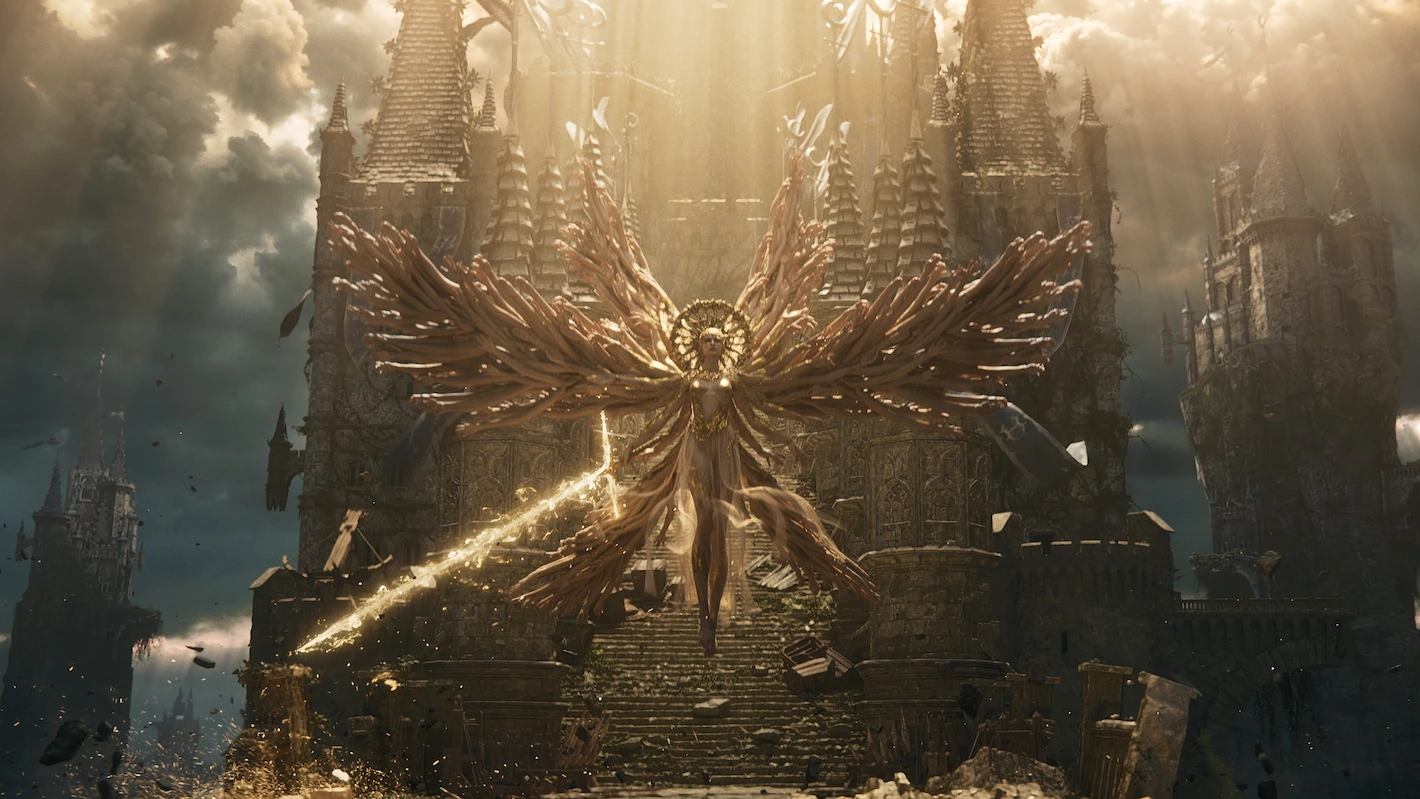
Hexworks describes the new combat as faster, more responsive and more strategically developed than before. Confirmed additions include expanded combat abilities and build options, more dynamic boss encounters, brutal finishing moves and biome-specific enemy factions. Katanas are joining the weapon selection as a new class, alongside previously revealed scythes, broadening a system that already supports melee weapons, ranged options and magic. Increasing speed alone would not necessarily improve Lords of the Fallen. The 2023 game had a deliberate weight and aggression that suited its ruined world, even when movement and targeting could feel less controlled than intended. The sequel needs to separate weight from delay: attacks can remain forceful without making input feel unresponsive, and enemies can remain dangerous without relying on awkward tracking or attacks that stretch beyond readable animation. Boss design is another area where the promised additional dynamism matters. A visually imposing creature is not enough when the encounter depends on a small set of easily repeated patterns or constant additional enemies. Better bosses require phases that develop the central mechanic, positioning that makes the arena relevant and attacks whose danger can be understood before mastery. The delay gives Hexworks more time to test those encounters across different character builds rather than balancing them around one ideal approach. CI Games is also emphasizing a darker and more physically aggressive presentation. The sequel is being positioned as more visceral, with heavier blood effects, dismemberment and executions intended to communicate the aftermath of combat. That direction may strengthen the world when used with restraint, but visual brutality cannot replace mechanical impact. Blood should support the feeling of a successful strike; it cannot make an imprecise strike feel better by itself.
a world with more than one identity
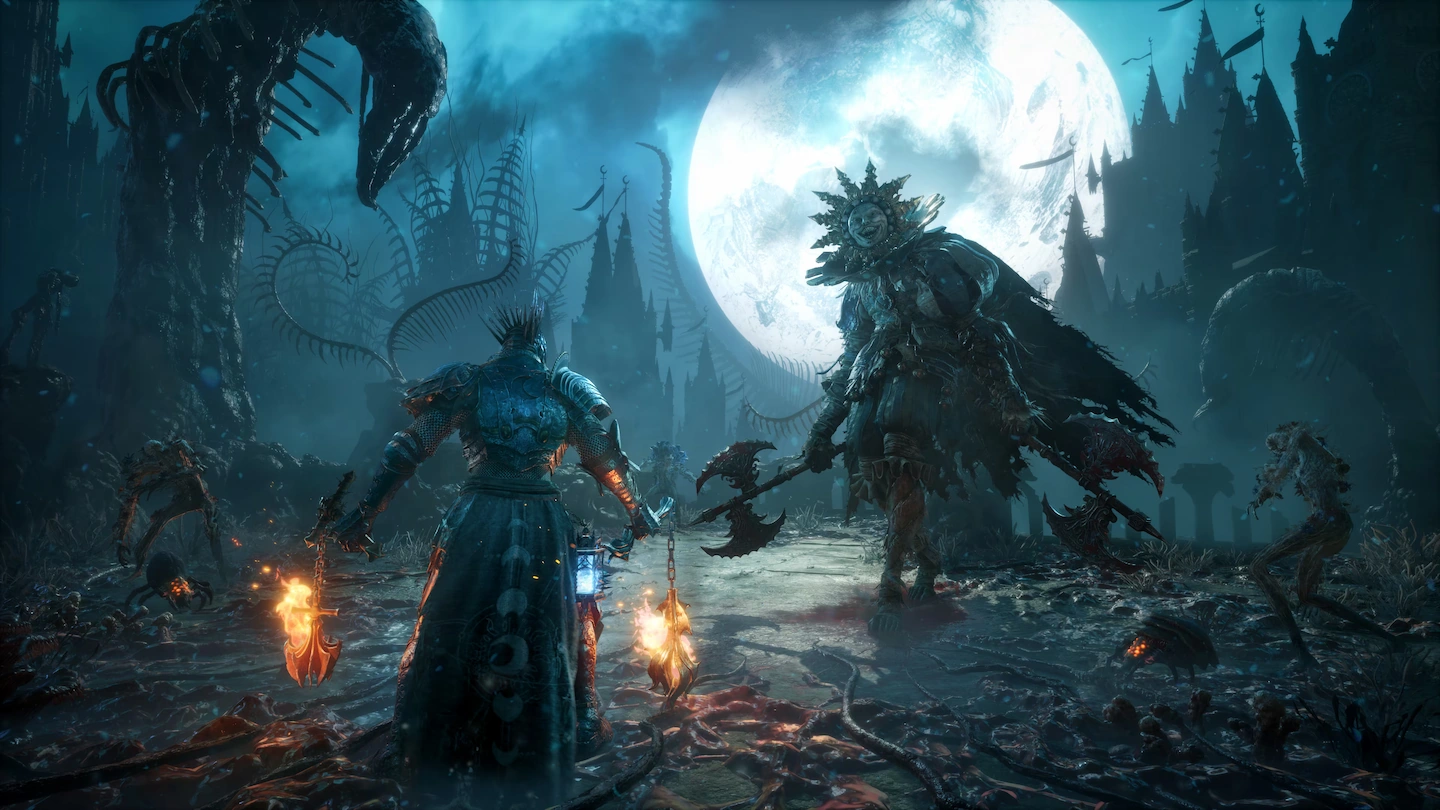
The sequel promises a richer and more varied collection of environments, with enemy factions designed around individual biomes rather than appearing uniformly across the entire map. One confirmed region is Yisugen, an area influenced by Asian mythology and defined by towering pagodas, storm-darkened skies, warriors, corrupted creatures and the dragon Lingao. Yisugen immediately broadens the visual language beyond the ruined European dark fantasy most closely associated with the first game. The important question is whether that difference extends into level structure, enemies, equipment and local history. A new biome should not merely replace stone churches with pagodas while preserving identical routes and encounters. It should change how players move, what they expect around each corner and how the region responds when Umbral is revealed. Biome-specific factions could help solve the repetition that often affects large action RPGs. Encountering the same enemy families across every area gradually makes a world feel constructed for mechanical convenience rather than shaped by geography and culture. Giving each region its own threats can create stronger local identities, provided the game also allows those factions to interact rather than keeping them inside rigid boundaries. The official Steam page currently describes Lords of the Fallen II as an action RPG supporting single-player and cooperative play, with exploration, character customization, magic and a dark-fantasy world among its principal features. A final description of the world’s structure has not yet been provided, so it remains unclear how closely the sequel will follow the interconnected progression of the 2023 game or how broadly its regions will open.
co-op progression from the beginning
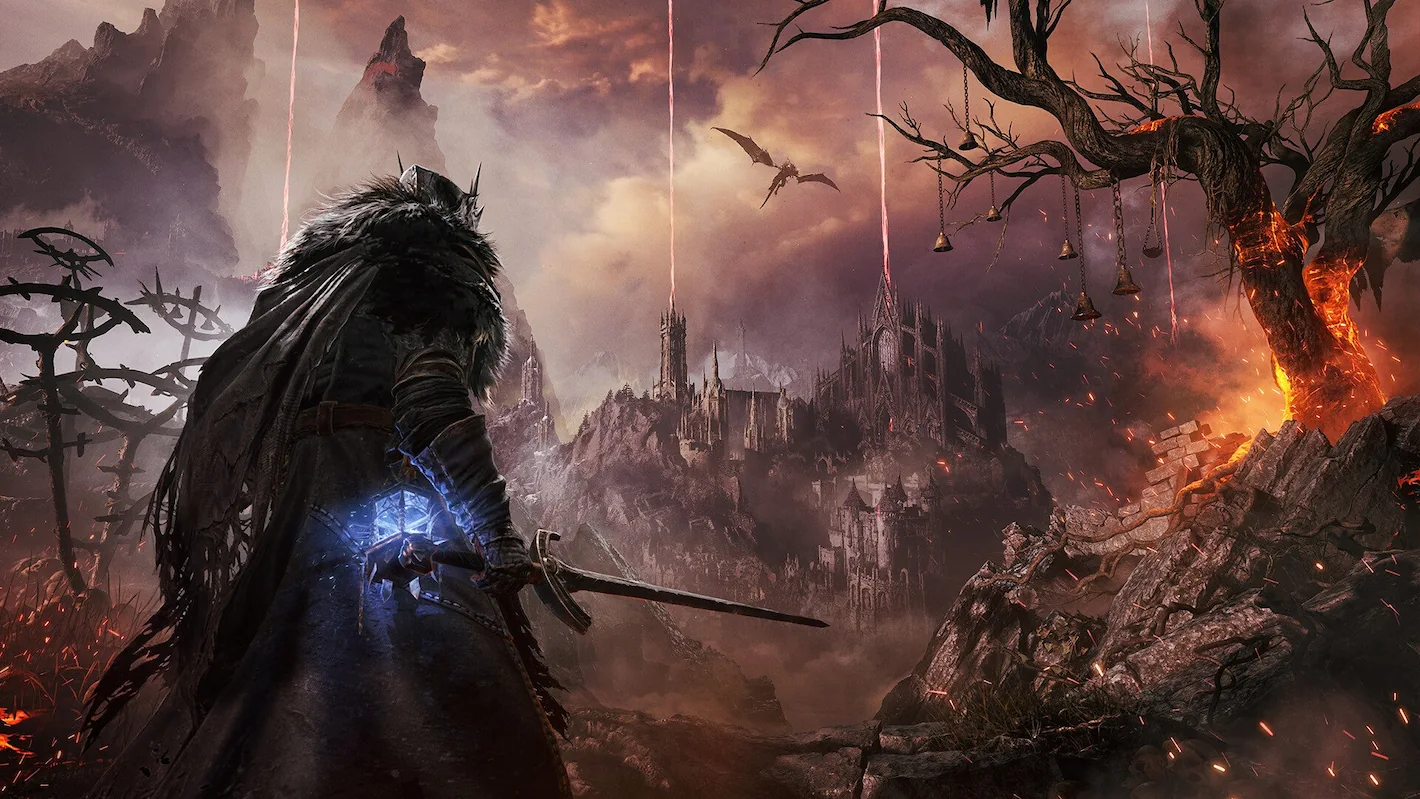
Shared-progression cooperative play is planned for launch, allowing two players to advance through the campaign together rather than treating the joining player primarily as temporary support. This feature reflects one of the largest improvements made to the previous game after release and is now being incorporated into the sequel from the beginning. That distinction matters because cooperative Soulslikes often create unnecessary separation between the host and guest. A player may help defeat a boss in another person’s world and then need to repeat the same section in their own save. Shared progression can make the entire campaign feel like a genuine joint journey, but only when quest states, collected items, checkpoints and narrative choices remain stable for both participants. Networking quality will therefore be one of the sequel’s most important technical tests. The 2023 game experienced cooperative instability and required continued post-launch improvements. Building shared progression into the launch version increases its value, but it also increases the number of systems that must synchronize correctly. Additional development time should be used not only to verify ideal connections but also to test latency, interrupted sessions, host migration, mismatched progression and the consequences of two players making different decisions. For players who prefer solitude, co-op remains optional. Lords of the Fallen II is still presented as a complete single-player action RPG rather than a multiplayer service requiring a permanent partner. The best implementation will allow cooperative play to deepen the campaign without designing every encounter around two simultaneous characters.
steam returns on day one
The PC release will launch simultaneously on Steam and the Epic Games Store, reversing the earlier plan that associated the sequel primarily with Epic’s storefront. CI Games presented the Steam announcement as a response to players asking for greater freedom in where they purchase and play the game. That broader release is the correct choice for a PC-focused action RPG built around a returning community. Players who own the previous title on Steam will not need to move to another launcher for the sequel, while Epic remains available for those who prefer it. Storefront choice does not improve combat or performance, but it removes an unnecessary barrier before the game has even launched. No PC system requirements have been published yet, so performance expectations cannot be assessed responsibly. Lords of the Fallen II is being developed in Unreal Engine 5, and the previous game demonstrated both the visual potential and technical demands of that engine. CI Games says the new title is being built using newer technology and informed by extensive optimization work completed after the 2023 launch. Until actual requirements, detailed PC footage and independent testing exist, however, performance remains one of the largest unanswered questions. A Q1 2027 release gives Hexworks more time to address shader compilation, traversal stutter, frame pacing, CPU scaling and upscaling quality before players encounter them. Those are not confirmed current problems with the sequel, but they are areas any demanding Unreal Engine 5 PC release must treat seriously especially one whose predecessor required substantial performance work after launch.
a delay with two clear purposes
CI Games has given two reasons for the new window. The development reason is additional time for integration, iteration and polishing after feedback identified opportunities to strengthen the experience. The business reason is avoiding an unusually crowded holiday season so the game can receive more concentrated attention. There is nothing unusual about a publisher considering both product quality and market position. Releasing a large Soulslike beside several blockbuster games could reduce visibility regardless of its quality, while forcing the team to meet the original date could leave valuable improvements unfinished. Moving into early 2027 creates a cleaner commercial window and a longer technical runway at the same time. The delay remains relatively contained. Lords of the Fallen II has moved from autumn 2026 into the following quarter rather than disappearing into an unspecified year. That suggests the broad production schedule remains intact, although no exact date has been promised and further changes are always possible. What matters now is how visibly those extra months improve the game. A delay is not an achievement by itself. The final release must show stronger responsiveness, more reliable performance, more varied encounters and co-op systems capable of working from the first day rather than after months of repair.